
Insulation That Keeps Temperatures Consistent Year-Round
Residential Insulation Services in Erath for homes with high energy bills and uneven room temperatures
Acadiana Custom Coatings LLC installs spray foam, fiberglass batt, and blown-in insulation for homes in Erath where summer heat and winter cold create uncomfortable indoor conditions. You notice the difference when certain rooms stay warmer in winter or cooler in summer than others, when your HVAC system runs constantly without maintaining consistent comfort, or when energy bills climb despite steady usage patterns. Proper insulation addresses these problems by creating a continuous thermal barrier that reduces heat transfer through attics, walls, garages, crawl spaces, and room additions.
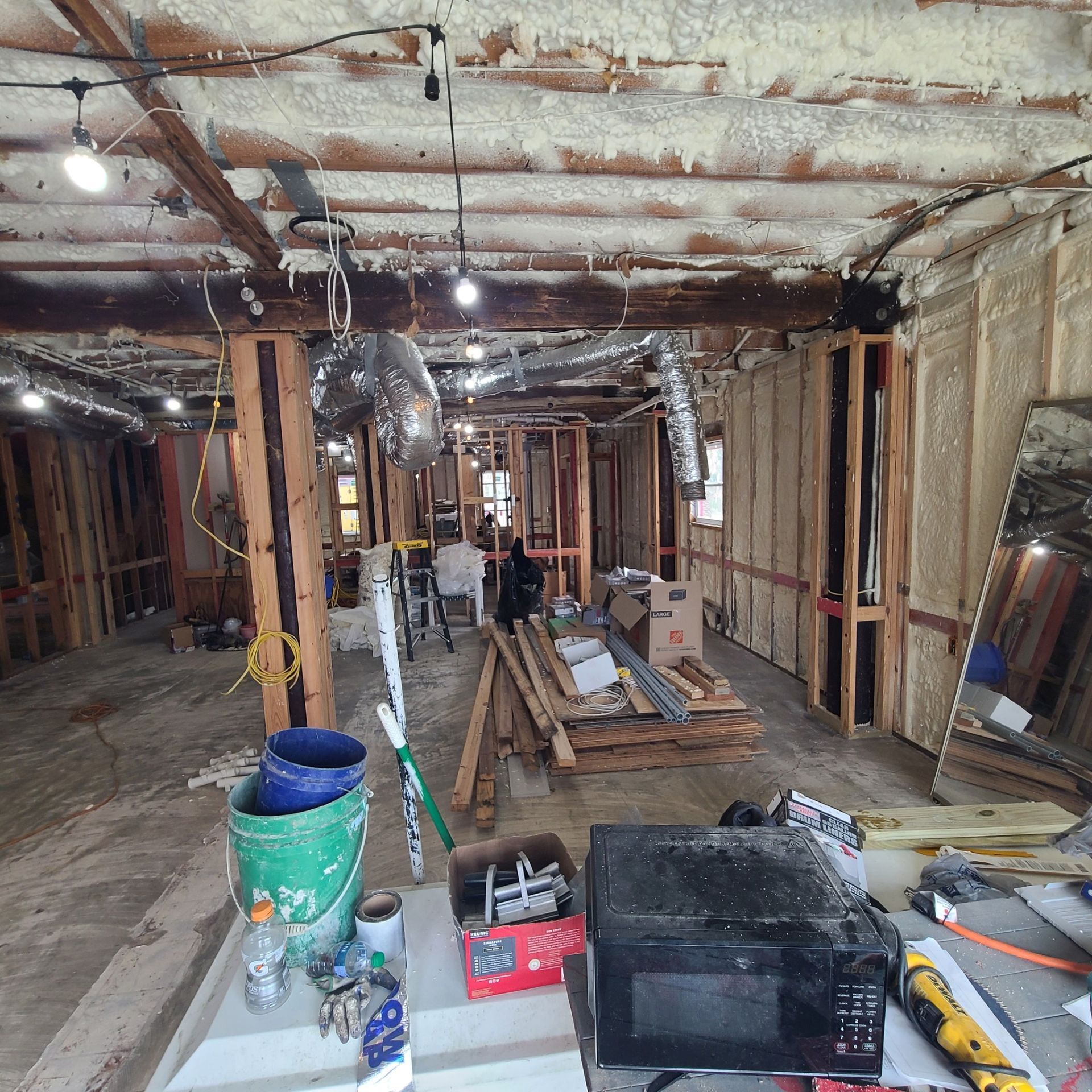
The insulation process involves evaluating your home's current thermal performance, identifying gaps or insufficient coverage, and selecting the appropriate insulation type based on the space being treated and the level of performance needed. Spray foam provides the highest R-value per inch and seals air leaks simultaneously, making it effective in irregularly shaped spaces or areas with significant air infiltration. Fiberglass batt works well in standard wall cavities and accessible attic floors, while blown-in insulation fills irregular spaces in existing walls and attic areas without requiring major demolition.
Schedule a consultation to assess insulation needs based on your home's construction and current comfort issues.
What Proper Insulation Actually Accomplishes
Insulation installation creates a measurable difference in how your HVAC system performs and how long it runs to maintain your target temperature. The material fills voids where conditioned air escapes or outside air enters, reducing the workload on heating and cooling equipment. In attics, insulation prevents radiant heat from penetrating living spaces during summer months, which is particularly important in Louisiana where roof surface temperatures regularly exceed 150 degrees.
After installation, you see a reduction in temperature variation between rooms, fewer hot or cold spots near exterior walls, and shorter HVAC cycle times as the system reaches the thermostat setting more quickly. Moisture control improves because properly insulated spaces experience less condensation on interior surfaces, reducing the conditions that support mold growth and indoor air quality concerns. The visible result includes lower monthly utility costs and more consistent comfort throughout your home regardless of outdoor temperature swings.
Professional installation ensures insulation is applied at the correct density and thickness to meet performance specifications, without compression or gaps that reduce effectiveness. The work also includes sealing around penetrations like electrical boxes, plumbing vents, and ductwork that create thermal bypasses if left unaddressed.
What Homeowners Ask Before Insulating
Insulation decisions depend on understanding how different materials perform in specific areas of your home and what visible changes you can expect after the work is completed.
What type of insulation works best in an attic versus a crawl space?
Attics typically use either blown-in insulation over the floor joists or spray foam applied to the underside of the roof deck, depending on whether you want to condition the attic space itself. Crawl spaces benefit most from closed-cell spray foam applied to foundation walls and rim joists, creating a conditioned zone that prevents moisture intrusion and reduces the load on your HVAC system.
How does insulation help with moisture problems?
Insulation reduces the temperature difference between interior surfaces and conditioned air, which decreases condensation on walls, pipes, and ducts. In Erath's humid climate, this moisture control benefit prevents the damp conditions that lead to mildew, wood rot, and indoor air quality issues common in poorly insulated homes.
What changes after insulation is installed?
You notice rooms reach your thermostat setting faster, the HVAC system cycles off instead of running continuously, and temperature differences between floors or rooms become less pronounced. Energy bills typically decrease within the first full billing cycle as heating and cooling equipment operates more efficiently.
How much insulation is needed to make a difference?
Attics in this region should reach R-30 to R-38 depending on the insulation type, while walls benefit from R-13 to R-15. The specific amount depends on your home's current insulation level, construction type, and the most significant sources of heat gain or loss identified during the evaluation.
When should I add insulation to an existing home?
Insulation upgrades make sense when energy bills increase without explanation, when rooms feel uncomfortable despite HVAC operation, or before replacing heating and cooling equipment so the new system is sized correctly for a properly insulated home.
Acadiana Custom Coatings LLC provides insulation solutions tailored to your home's specific needs and the comfort issues you currently experience. Request a free consultation to review insulation options and receive recommendations based on your home's construction and performance goals.