
Attic Coverage That Reaches Every Corner
Blown-In Insulation in Erath for existing homes needing attic insulation upgrades without removing current material
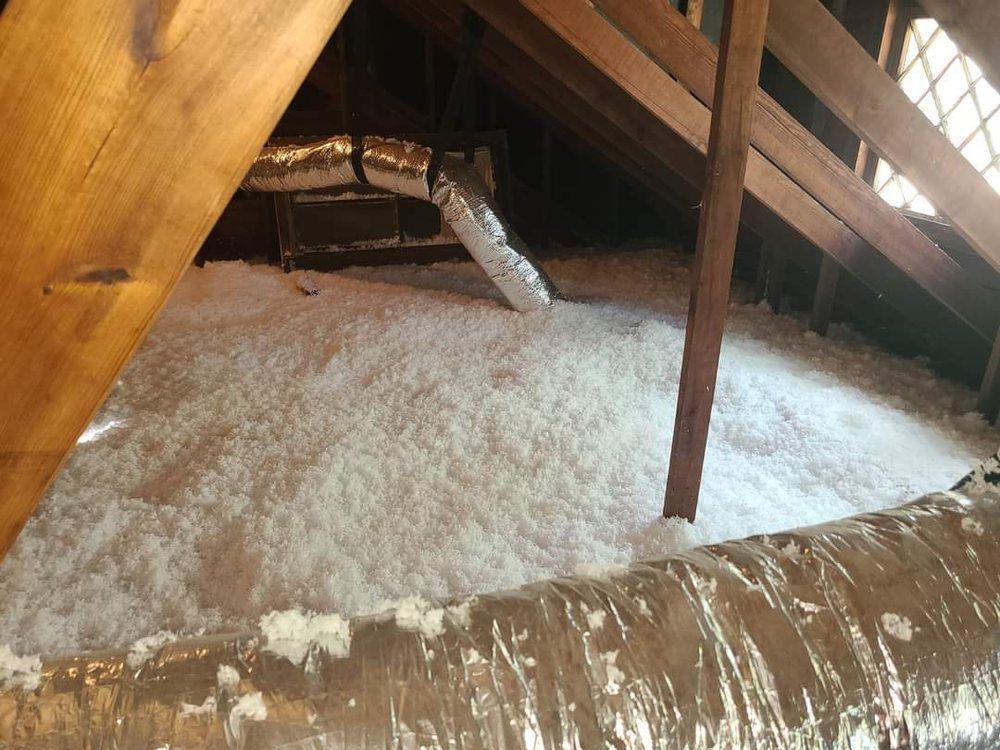
Attics in existing homes often contain insufficient insulation depth or have areas where insulation has settled, shifted away from eaves, or been disturbed by storage or maintenance access. Blown-in insulation adds depth to attic floors by pneumatically distributing loose-fill material that conforms to irregular joist spacing, fills around truss bracing and ductwork, and reaches corners and eaves that would be difficult to cover with batts. Acadiana Custom Coatings LLC installs blown-in insulation in Erath for homes where increasing attic R-value improves comfort and reduces cooling costs without requiring removal of existing insulation or major attic modifications.
The process involves feeding loose fiberglass or cellulose through a blowing machine that distributes the material evenly across the attic floor to a specified depth, which corresponds to target R-value based on climate requirements and homeowner performance goals. The material settles into gaps and irregular spaces that batt insulation cannot fill, creating more uniform coverage across the attic area.
Schedule an attic insulation evaluation to measure current depth and determine how much additional material will improve your home's thermal performance.
What Changes After Attic Insulation Enhancement
Blown-in insulation works by adding depth to attic floor coverage, which increases resistance to heat transfer between the hot attic space and conditioned rooms below. Attics in Louisiana regularly reach 130 to 150 degrees during summer, and inadequate insulation depth allows that heat to conduct through ceilings into living spaces, forcing cooling equipment to run continuously. Adding blown material to achieve R-38 or R-49 total depth significantly reduces heat transfer and the corresponding cooling load.
After installation completes, you notice that upstairs rooms cool down more easily, air conditioning cycles become shorter and less frequent, and ceiling surfaces feel cooler to the touch even during afternoon hours when attic temperatures peak. The uniform coverage eliminates hot spots where thin or missing insulation previously allowed concentrated heat transfer, creating more consistent temperatures throughout upper-level rooms.
The service works for attic insulation replacement projects where old material has deteriorated or been damaged by moisture or pests, and for enhancement projects where adding depth to functional but insufficient insulation improves performance without complete removal. Blown-in material accommodates attic obstructions like recessed lights, junction boxes, and HVAC equipment by flowing around these items, though maintaining code-required clearances around heat-producing fixtures remains necessary to prevent fire hazards regardless of insulation type used.
What Homeowners Want to Know
Property owners considering attic insulation improvements typically have questions about the installation process and expected outcomes.
How does blown-in insulation reach irregular attic spaces that batts cannot cover?
The pneumatic distribution allows material to flow into narrow eaves, around truss webbing, and into corners where installing batts would require extensive cutting and fitting, which creates more complete coverage across the entire attic floor including areas with difficult access.
What depth of blown-in insulation do Erath homes typically need?
Louisiana's climate code requires R-30 minimum in attics, which translates to roughly 10 inches of blown fiberglass or 8 inches of cellulose, but upgrading to R-38 (13 inches fiberglass or 10 inches cellulose) provides better performance and greater cooling cost reduction in the region's hot summer conditions.
Can blown-in insulation be added over existing attic insulation?
Adding blown material over old batts or existing blown insulation is standard practice for attic upgrades, provided the existing material is dry and free of mold or pest contamination—the new material increases total R-value regardless of what type of insulation already exists.
How much do attic insulation improvements reduce cooling costs?
Homes with inadequate attic insulation—less than R-19 existing depth—typically see 15 to 25 percent reductions in summer cooling costs after upgrading to R-38 or higher, with the greatest savings occurring in homes where air conditioning runs almost continuously during hot weather.
What areas of the attic require special attention during blown insulation installation?
Maintaining clearance around recessed light fixtures, exhaust fan housings, and chimney chases prevents fire hazards, while ensuring soffit vents remain unblocked preserves attic ventilation that prevents moisture accumulation and extends roof shingle life in Louisiana's humid climate.
Acadiana Custom Coatings LLC measures existing attic insulation depth and condition to recommend how much additional material will achieve your target R-value and performance improvement. Arrange an inspection to review your specific attic conditions and receive a detailed enhancement proposal.