Buildings That Maintain Operational Temperature Standards
Commercial & Industrial Insulation in Erath for warehouses, facilities, and metal structures with temperature control needs
Large-scale facilities face temperature regulation challenges that directly affect operational costs and occupant comfort. Acadiana Custom Coatings LLC installs spray foam, fiberglass, and specialty insulation systems for commercial buildings, warehouses, industrial facilities, and metal structures in Erath where inadequate thermal barriers create excessive HVAC demand and inconsistent interior conditions. Metal buildings in particular lose conditioned air rapidly through conductive heat transfer, while warehouses with high ceilings struggle to maintain floor-level temperatures without significant energy consumption.
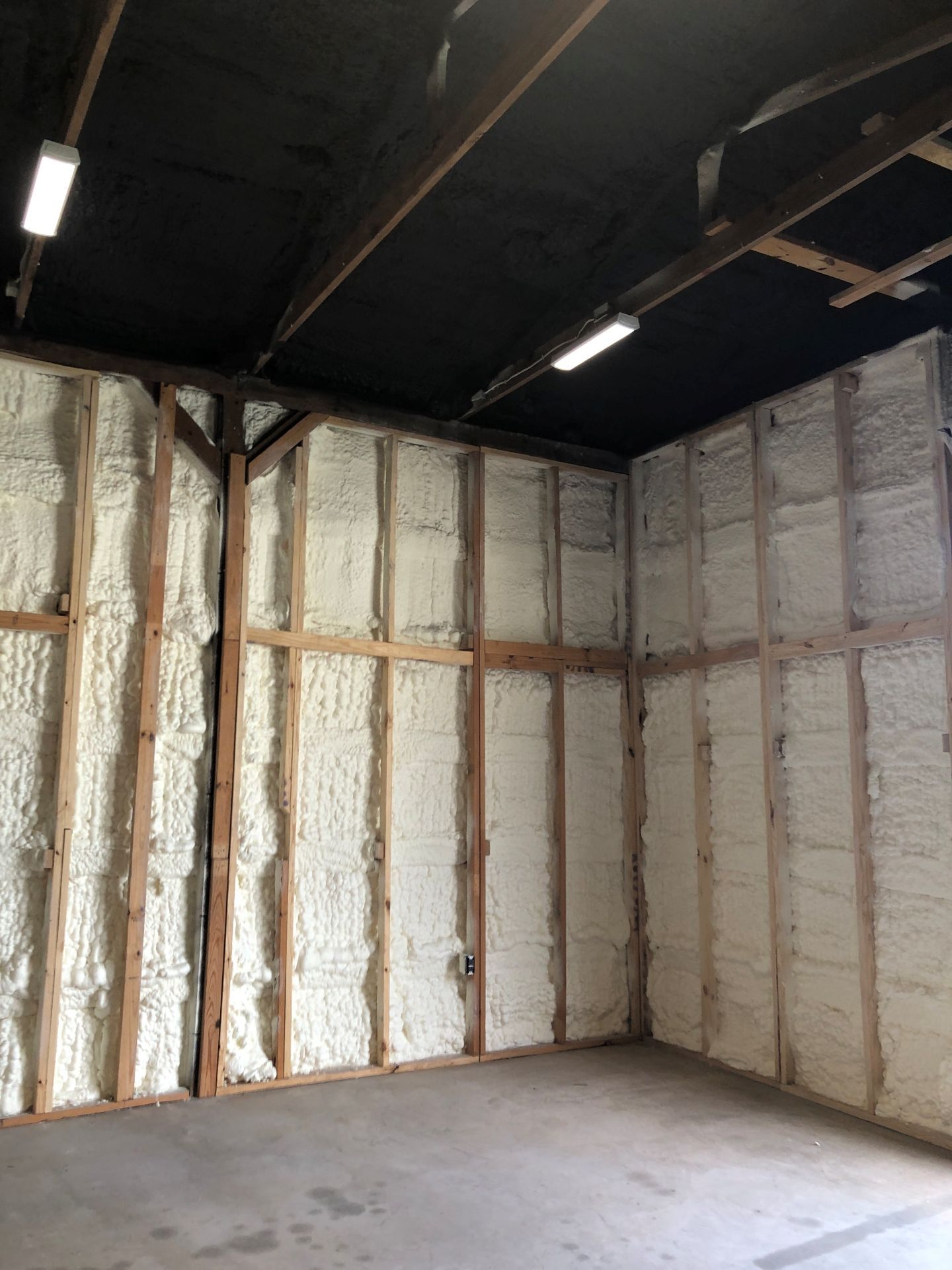
Commercial insulation projects begin with evaluating the building's intended use, thermal performance requirements, and existing insulation deficiencies. The approach differs significantly based on whether the space requires precise temperature control for inventory or equipment, basic climate separation for occupant comfort, or moisture management to prevent condensation on metal surfaces and stored materials. Spray foam provides both insulation and air sealing in a single application, making it effective for metal buildings and spaces with irregular framing, while fiberglass systems work well in standard commercial construction with accessible cavities.
Arrange an evaluation to discuss insulation requirements based on your building type and operational needs.
Why Proper Insulation Matters for Commercial Operations
Commercial insulation installation addresses the physics of heat transfer in large spaces where traditional residential approaches fail to deliver adequate performance. The work involves applying insulation to exterior walls, roof decking, and foundation areas where temperature differentials create continuous energy loss. In metal buildings, closed-cell spray foam prevents the thermal bridging that occurs when exterior heat conducts directly through metal panels into conditioned space, eliminating the temperature swings common in uninsulated or poorly insulated structures.
After installation, facility managers notice HVAC systems reach setpoint temperatures without extended runtime, interior surfaces no longer feel hot to the touch during summer months, and condensation issues that previously damaged stored materials or created safety concerns no longer occur. The building envelope becomes a controlled environment where temperature and humidity remain within acceptable ranges regardless of outdoor conditions. Energy costs decrease because heating and cooling equipment operates at design capacity rather than compensating for continuous heat gain or loss through the building shell.
Large-scale projects require coordination with facility operations to minimize disruption, staging the work in phases if needed to maintain business continuity. The insulation system must also meet fire code requirements for commercial occupancies and provide the specified R-value for the building's climate zone and energy compliance standards.
Questions From Facility Managers and Business Owners
Understanding how commercial insulation differs from residential applications helps you evaluate options and set realistic performance expectations for your facility.
What insulation type works best for metal buildings?
Closed-cell spray foam applied directly to metal panels creates a continuous insulation and air barrier that eliminates thermal bridging and prevents condensation on interior surfaces. This approach outperforms fiberglass batts in metal buildings because it seals the gaps between panels and framing members where air leakage typically occurs.
How does insulation reduce operational costs?
Insulation decreases the amount of energy required to maintain target temperatures by reducing heat transfer through walls and roofs. In Erath's climate, where cooling loads dominate most of the year, preventing solar heat gain through the roof can reduce HVAC energy consumption by thirty to forty percent compared to an uninsulated building.
What happens during a large-scale insulation project?
The process involves preparing surfaces, protecting equipment and inventory, applying insulation in sections to maintain facility access, and coordinating with other trades if the work occurs during construction or renovation. Spray foam projects require temporary ventilation during curing, while fiberglass installations generate dust that must be contained.
How long does commercial insulation last?
Properly installed spray foam and fiberglass insulation systems maintain thermal performance for the life of the building without sagging, settling, or losing R-value. The material does not degrade under normal conditions, though physical damage from construction activity or roof leaks can require localized repairs.
What buildings benefit most from insulation upgrades?
Warehouses with climate-controlled storage, industrial facilities with process temperature requirements, metal structures with condensation problems, and any commercial building where energy costs represent a significant operational expense see measurable returns from professional insulation installation.
Acadiana Custom Coatings LLC works with contractors, property owners, and facility managers to design and install insulation systems that meet building performance requirements. Contact us to review your facility's insulation needs and receive a detailed project proposal based on your building's construction and operational goals.